Cart
0
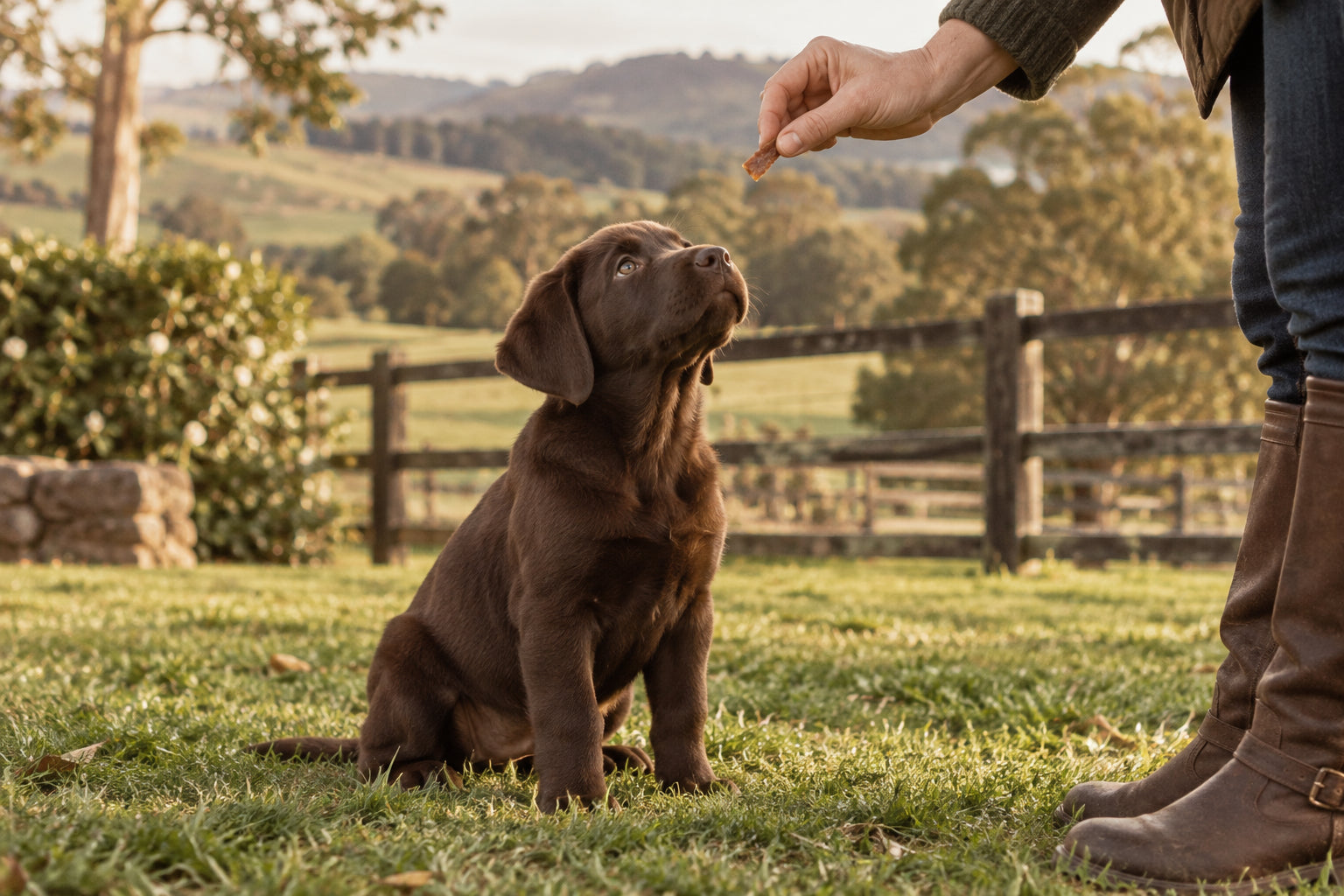
Your new puppy will do almost anything for food. Keeping that attention is the hard part. A ten-week-old Cavoodle can forget "sit" the second a magpie lands on the back fence, and a dry biscuit will lose that contest.
The right training treat wins it. This guide covers what makes a treat work for a puppy, how many you can hand out in a day, and how to use them so your pup learns faster without filling up on snacks. We wrote it from Exeter in the Southern Highlands, where Bear, our Labrador, has to approve every batch before it reaches you.
What makes a good puppy training treat?
A good puppy training treat is tiny, soft enough to swallow in a second, strong-smelling, and made from a short list of real ingredients. Get those four right and the brand on the pack matters far less.
Small enough to swallow in one go
Aim for pieces the size of a pea for small breeds and the size of your little fingernail for big pups. A training session might involve twenty or thirty rewards. If your pup stops to crunch and chew each one, you lose the rhythm and they lose the thread.
Size also protects the waistline. Thirty tiny rewards add up to far less food than thirty full-sized treats.
Soft and gentle on baby teeth
Puppies lose their baby teeth and grow adult ones between about three and six months of age. Sore gums make hard biscuits and dense chews slow going, and some pups give up halfway. Soft, chewy treats tear into small pieces with your fingers and go down fast.
A smell your puppy can't ignore
Puppies follow their nose. Real meat smells like real meat, and that aroma earns attention in a busy park in a way a flavoured biscuit can't. The more distractions around, the stronger the smell you need.
A short ingredient list
Young stomachs are touchy. A single-ingredient treat, such as chicken with nothing added, makes life simpler. If your pup has an upset tummy after something new, you know exactly what caused it. Turn the pack over before you buy. If the ingredient list runs to two lines, put it back.
High-value and everyday treats: build a reward ladder
Your puppy ranks food the same way you rank takeaway. Kibble is toast. Air dried liver is a Friday-night pizza. Use that to your advantage by matching the reward to the difficulty of the job.
| Situation | Distraction level | Reward to use |
| Practising "sit" in the lounge room | Low | A piece of their own kibble |
| Toilet training in the backyard | Low to medium | Soft chicken, torn small |
| Loose-lead walking down the street | Medium | Soft chicken, torn small |
| Recall at the park with other dogs around | High | Strong-smelling liver or roo, torn small |
| Settling at the vet or puppy school | High | Their favourite, saved for that day |
Picture a five-month-old Kelpie on a frosty Moss Vale morning who has found a rabbit trail. Kibble won't bring her back. A piece of liver she has only ever had at recall practice might. Keep your top reward for the hardest moments so it keeps its pulling power.
How many training treats can a puppy have a day?
Keep treats to about 10 per cent of your puppy's daily food, a guideline vets use for dogs of all ages. Your puppy still needs a complete puppy food for the other 90 per cent, because treats alone won't cover the growing body's needs.
You can make the maths easy with a morning routine:
- Weigh out the day's treat allowance into a pouch or small container.
- Take a little less dinner if it was a big training day.
- When the pouch is empty, switch to praise, toys and play for the rest of the day.
Watch for signs you've overdone it. Soft poo, a puppy who ignores dinner, or ribs you can no longer feel under a light layer of padding all point to too many treats. Your vet will weigh your pup at vaccination visits, so ask whether they're on track. Puppies with a medical condition or a special diet need a plan from your vet.
When can you start training a puppy with treats?
You can start the day your puppy comes home, which for most Australian pups is at around eight weeks. Begin with the easy wins: their name, "sit", and a reward for every wee and poo in the right spot outside.
Breeders sometimes send pups home at seven weeks. A seven-week-old can have a few tiny, soft pieces as rewards, but their main food still does the heavy lifting. Keep new foods to one at a time, and check with your breeder or vet if your pup has a sensitive tummy.
How to use training treats so your puppy learns faster
Treats only work when you deliver them at the right moment. A few habits make a big difference to how fast your pup picks things up.
Reward within a second or two
Your puppy links the reward to whatever they did just before it arrived. If you fumble in a pocket for five seconds after a perfect sit, they might think you're paying them for standing back up. Say a short marker word such as "yes" the instant they get it right, then hand over the treat. The word bridges the gap.
Keep sessions short and frequent
Puppies have short attention spans. Three to five minutes, a few times a day, beats one long session on a Sunday. Finish while your pup still wants more, so they come to the next session keen.
Train before meals
A hungry puppy works harder. Schedule your training sessions for just before breakfast or dinner, and avoid training straight after a big meal when they would rather nap.
Fade the food lure
At first you might hold a treat over your pup's nose to guide them into a sit. Once they sit on a hand signal alone, reward every second or third sit, then mix in praise and a game of tug. Keep treats for new skills and hard situations. Your pup learns that good things might arrive at any time, and that keeps them trying.
Keep the treats out of sight
Wear a treat pouch on your hip and keep your hands empty. A puppy who only sits when they can see food in your hand has learnt to follow the food. You want them to follow you.
Common puppy treat mistakes and quick fixes
- Pieces too big. Tear each treat into several small pieces before the session starts.
- One treat for everything. Use the reward ladder so your best treat keeps its value.
- Rewarding the wrong moment. Use a marker word and reward within two seconds.
- Training after dinner. Move sessions to before meals.
- Leaving the pouch open. Air dried treats soak up moisture. On a damp Highlands winter morning, an open pouch on the bench goes soft by lunchtime. Seal it and keep it in a cool, dry cupboard.
Are air dried treats good for puppies?
Yes. Air dried treats suit puppies well when you pick the right texture and tear them small. Air drying takes the water out of real meat slowly, so you get a treat that keeps without binders, fillers or added preservatives. Our three proteins each do a slightly different job.
Chicken Tenders: the everyday trainer
Chicken Tenders are Australian chicken fillets, air dried with nothing added. They're soft and chewy, so you can tear a tender into a dozen tiny pieces in a few seconds. Use them for indoor practice, toilet training and loose-lead walks.
Beef Liver: the high-value reward
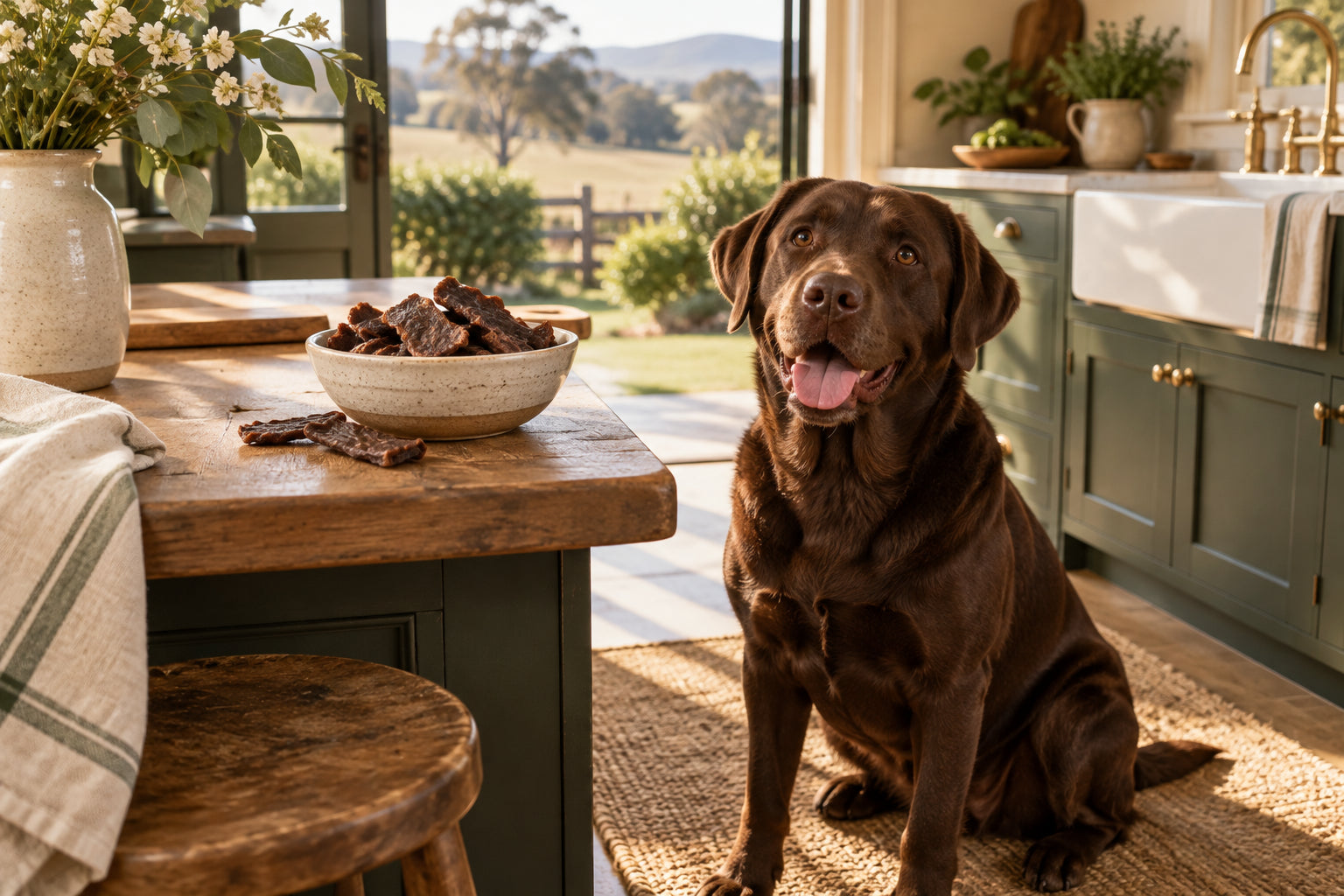
Beef Liver has a strong smell that cuts through park distractions, which makes it a natural pick for recall. Liver is rich in vitamin A, so keep it as a top-shelf reward in small pieces rather than the main event.
Kangaroo Jerky: for older pups
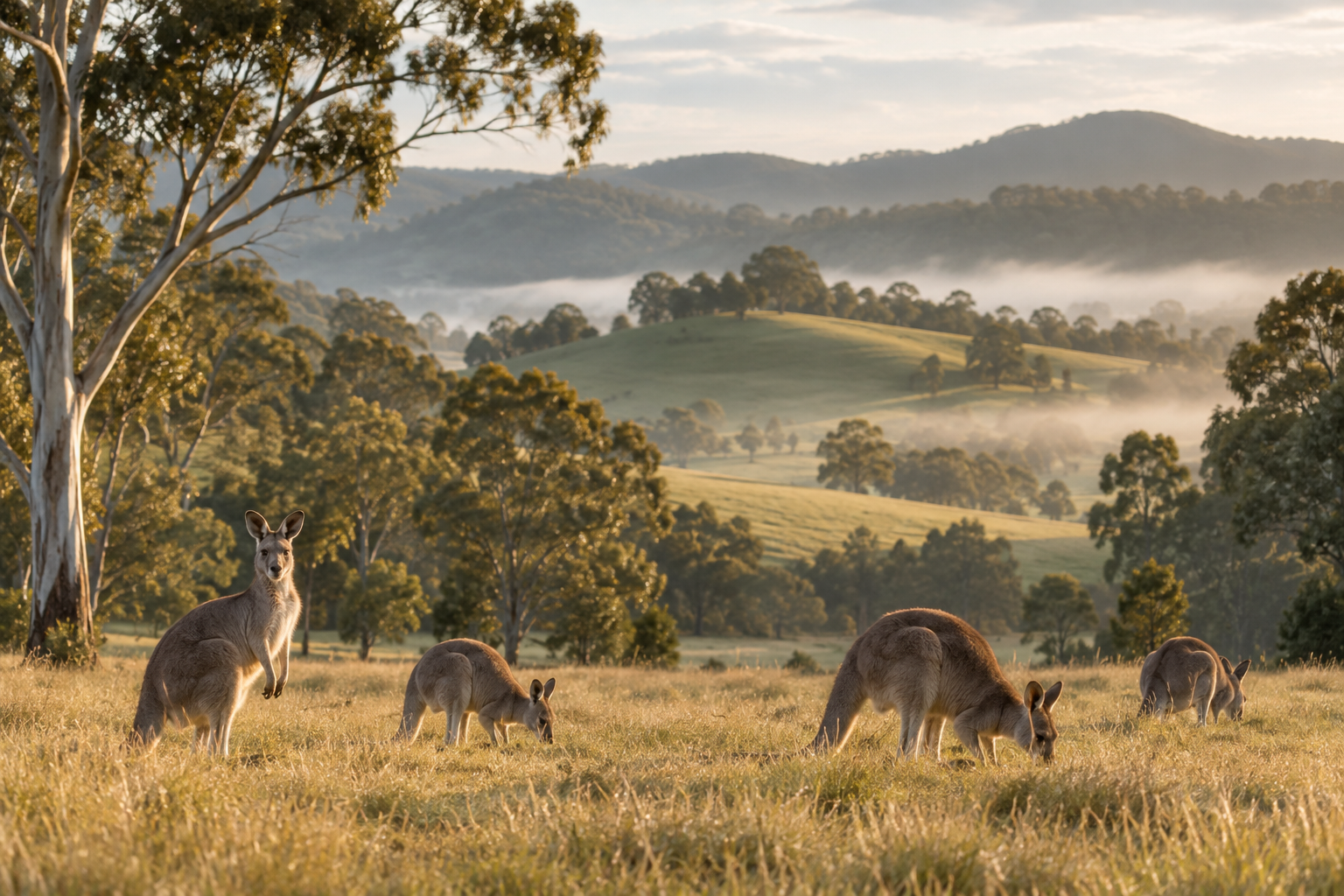
Kangaroo Jerky is lean and protein-rich, and it has a firmer chew. Snap it into small pieces for pups, or save it for once their adult teeth are through. Our guide to kangaroo treats for dogs covers why so many Australian owners rate roo.
Curious how air drying compares with freeze drying and dehydrating? Read our guide to air dried, dehydrated and freeze dried dog treats.
Puppy training treat FAQs
What are the best treats for training a puppy?
The best treats for training a puppy are tiny, soft, strong-smelling and made from a single real ingredient. Soft air dried chicken works well for everyday training. A stronger-smelling treat such as liver works better outdoors, where your pup has more to compete with.
Can I use my puppy's kibble as a training treat?
Yes. Kibble works well for easy, low-distraction practice at home, and it comes out of the daily food allowance anyway. Save tastier treats for harder tasks and busier places.
Do training treats upset a puppy's stomach?
New foods can cause loose poo in some puppies. Introduce one new treat at a time, start with a few pieces a day, and choose single-ingredient treats so you can spot the culprit fast. See your vet if the upset lasts more than a day or your pup seems unwell.
Will my puppy need treats forever?
No. Once your pup knows a skill well, you can reward with treats now and then and use praise and play the rest of the time. Treats stay useful for new skills, tricky situations and the odd surprise reward for a job well done.
How do I keep air dried treats fresh?
Seal the pouch after each use and store it in a cool, dry place. Once opened, our treats keep best for one to two months.
Ready to start training?
Pick up a pouch of Chicken Tenders for everyday practice and a pouch of Beef Liver for the hard stuff outside. Or browse the full air dried treat range. Shipping is a flat $9.99 Australia-wide, and if your pup turns their nose up, our 30-Day Happiness Guarantee has you covered.