Cart
0
Stand in front of the treat wall at any pet store and you'll see three labels fighting for your attention: air dried, dehydrated and freeze dried. Each one promises real meat with nothing added, yet one pack can cost twice as much as another of the same weight.
All three treats start the same way, as raw meat that is mostly water. Each process pulls that water out by a different method, and the method changes the texture, the price, how long the pack lasts and how you handle it. This guide explains each one in plain terms so you can choose with confidence.
The short answer
Air drying and dehydrating both use warm moving air to remove water, and both lightly cook the meat. Freeze drying freezes the meat and then turns the ice straight into vapour, so the treat usually stays raw. The table sums up the rest.
| Air dried | Dehydrated | Freeze dried | |
| How it works | Slow drying with gently warmed, moving air over a long period | Warm air in a dehydrator or oven, usually hotter and faster | Frozen meat in a vacuum chamber, where ice turns straight to vapour |
| Raw or cooked | Gently heated | Heated | Usually raw |
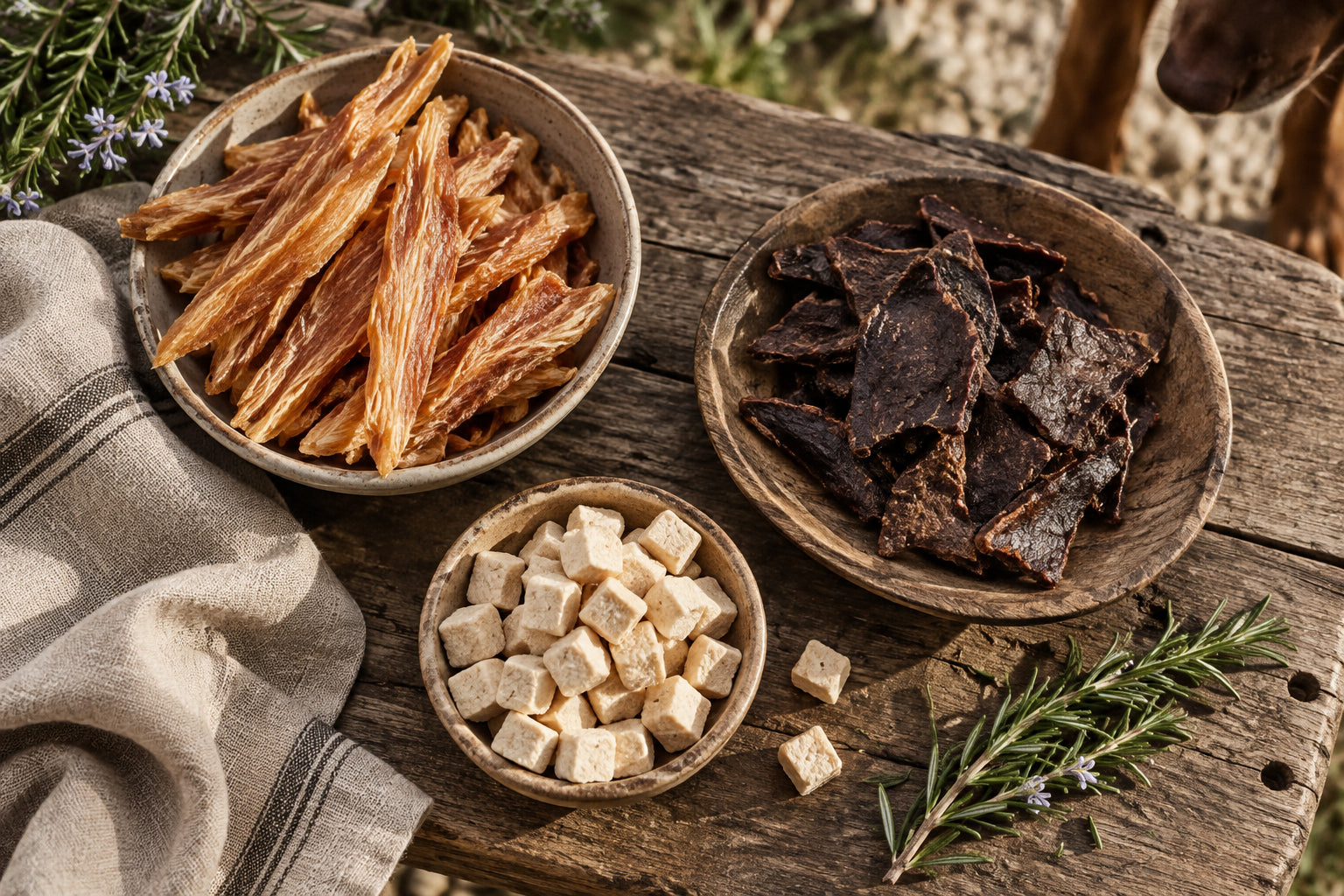
| Texture | Dense, chewy, meaty | Firm to crunchy | Light, airy, crumbly |
| Price per gram | Middle | Lowest | Highest |
| Handling | Like any shelf-stable treat | Like any shelf-stable treat | Like raw meat: wash your hands |
| Best for | Training, everyday rewards, a satisfying chew | Budget treats and home batches | Food toppers and light pocket treats |
How air drying works
Air drying removes moisture with gently warmed air that moves across the meat for many hours. The slow pace lets water leave the meat without scorching the outside, so you end up with a dense, chewy treat that still looks and smells like the cut it came from.
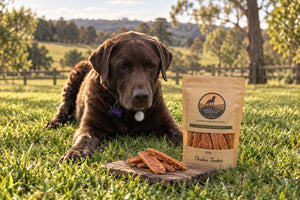
The terms "air dried" and "dehydrated" overlap, and brands use them loosely. Many brands, Highland Hounds included, use "air dried" to describe the slower, gentler end of dehydration. We air dry whole cuts of Australian chicken, beef liver and kangaroo with nothing added, in small batches in Exeter in the Southern Highlands.
Air drying suits dog treats for a practical reason. The finished treat holds together. You can tear a Chicken Tender into a dozen pieces for a training walk, and you won't come home with a pocket full of crumbs.
How dehydrating works
Dehydrating uses warm, circulating air too, usually at a higher temperature and over a shorter time. If you have ever run a dehydrator on the kitchen bench overnight to make chicken jerky, you have dehydrated a treat.
The extra heat dries the meat faster and cooks it more. You get a firmer treat, often with a crunch, and a lower price, because the process uses less time and energy per batch. Dehydrated treats vary a lot in quality. The process stays the same across brands, so the cut of meat and the ingredient list tell you more than the word "dehydrated" on the front.
How freeze drying works
Freeze drying starts by freezing the meat solid. The frozen meat then goes into a vacuum chamber, where low pressure turns the ice straight into vapour without it melting first. Scientists call this sublimation. The meat keeps its shape and loses most of its weight.
The result is light and airy. A freeze-dried cube weighs next to nothing and crumbles if you squeeze it, which explains the dust at the bottom of the pack and in your jacket pocket after a walk. Many owners crumble it over dinner as a topper, and some add water to soften it again.
Why freeze-dried treats cost more
Freeze-drying machines cost a lot to buy and run, and a single batch can take a day or more. The meat also loses most of its weight as water, so you pay for a lot of meat in a light pack. That's why a 100 gram freeze-dried pack often costs as much as a much heavier air dried pack.
Handle freeze-dried raw like raw meat
Most freeze-dried treats are raw. Freeze drying doesn't kill bacteria the way heat does, so give these treats the same care you give raw mince. Wash your hands after handling them, keep them away from kitchen benches where you prepare food, and take extra care around small children. Some brands add a safety step such as high pressure processing. The pack will say so if they do.
Which keeps the most nutrients?
Freeze drying keeps the most heat-sensitive nutrients, because the meat never gets warm. Some B vitamins break down with heat, so air dried and dehydrated treats lose a little of those. Protein, iron, zinc and most other minerals stay put in all three.
For a treat, that gap matters less than it sounds. Treats should make up about 10 per cent of your dog's daily food, and a complete dog food supplies the rest. The quality of the meat and the length of the ingredient list will affect your dog's health far more than the drying method will.
Texture, shelf life and storage compared
Texture and how your dog eats them
Air dried treats give your dog something to chew for a few seconds, which many dogs enjoy. Dehydrated treats range from chewy to crunchy. Freeze-dried treats melt in the mouth, which suits tiny dogs and older dogs with worn teeth, but they disappear fast for a big Labrador.
Shelf life before and after opening
All three keep well while sealed, because bacteria and mould need water to grow. Once you open a pack, moisture from the air starts to creep back in. Freeze-dried treats soak up humidity fastest and can turn chewy. Air dried treats hold up better, though an open pouch left on the bench through a foggy Highlands winter will soften too.
Seal the pack after every use and store it in a cool, dry cupboard. We recommend using our treats within one to two months of opening.
Price per gram
Dehydrated treats usually cost the least per gram, air dried sit in the middle, and freeze dried cost the most. Compare packs by price per 100 grams rather than price per pack, and remember a light freeze-dried pack holds fewer treats than it looks.
Which type suits your dog?
For training
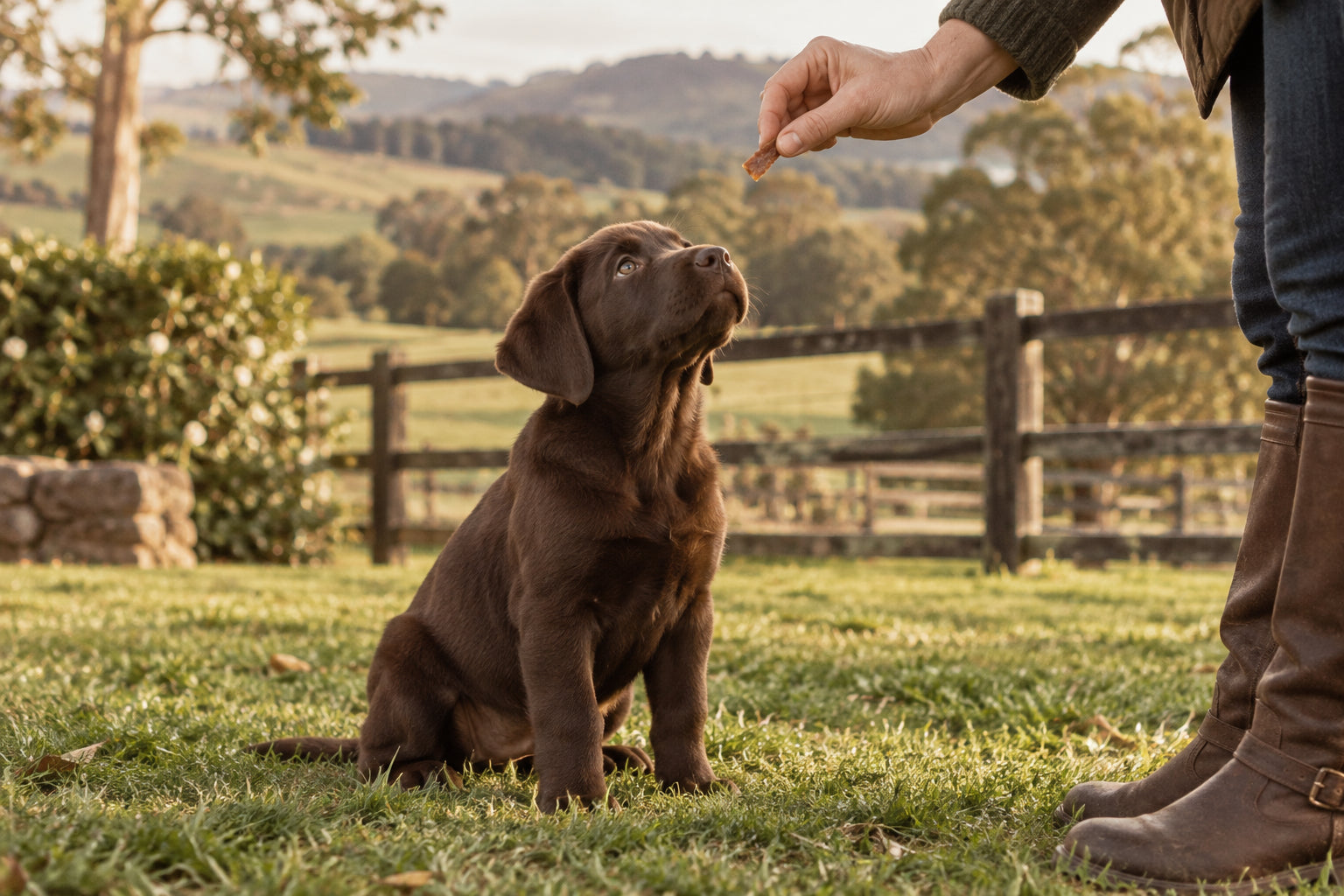
Air dried treats work best for most training. They tear into small pieces, they don't crumble in your pocket, and they smell strong enough to hold attention outdoors. Our puppy training treats guide covers piece size, daily limits and timing.
For a satisfying chew
Pick an air dried or dehydrated treat with some density, such as Kangaroo Jerky. Your dog gets a few minutes of chewing, and you get a few minutes of peace.
For a sensitive stomach
Pick a single-protein treat with nothing added. The drying method matters less than knowing exactly what your dog ate. If your dog has a diagnosed food allergy or a medical diet, talk to your vet before adding any treat.
For a fussy eater
Strong smell wins over fussy dogs. Air dried liver and freeze-dried raw both smell intense to a dog. Start with a small pack and see which one your dog prefers.
How to read a dried treat label
The front of the pack sells. The back of the pack tells you what you're buying. Check these before you buy:
- The ingredient list. "100% Australian kangaroo" tells you everything. A list that includes glycerine, sugar, flour or "meat by-products" tells you the treat is more than meat.
- Preservatives. Dried meat with low moisture keeps without added preservatives. Look for none on the label.
- Where the meat comes from. Australia's country-of-origin labelling rules for food don't cover pet food, so look for a specific claim about where the meat comes from and where the treat is made.
- Raw or cooked. Freeze-dried packs should say whether the meat is raw and whether the brand uses an extra safety step.
Air dried, dehydrated and freeze dried treat FAQs
Which is better for dogs, freeze dried or air dried?
Both suit healthy dogs. Freeze dried keeps slightly more heat-sensitive vitamins and suits food toppers and small dogs. Air dried holds together better for training, gives a longer chew and costs less per gram. For most everyday treats, the quality of the meat matters more than the method.
Are dehydrated treats good for dogs?
Yes, when they contain real meat with nothing added and you keep them to about 10 per cent of your dog's daily food. Check the ingredient list. Some dehydrated treats add fillers, sugar or glycerine.
Do vets recommend dehydrated or freeze-dried treats?
Vets tend to focus on what goes into a treat and how much your dog eats, more than on the drying method. Ask your vet if your dog has a health condition, a sensitive stomach or a weight to manage. Many vets flag safe handling for raw freeze-dried products, especially in homes with young children or people with weak immune systems.
Is it cheaper to dehydrate your own dog treats?
Making your own can cost less per kilogram of meat, but it takes time, power and care. You need to slice the meat evenly, dry it fully and store it well, or mould can grow. Many owners make a batch now and then and buy treats for the rest.
Is air dried the same as dehydrated?
They overlap. Both use warm moving air to remove water. Brands tend to use "air dried" for a slower, gentler process and "dehydrated" for a hotter, faster one, but no Australian rule draws a hard line between them. Read the ingredient list and the description of the process on the pack.
Try air dried treats made in the Southern Highlands
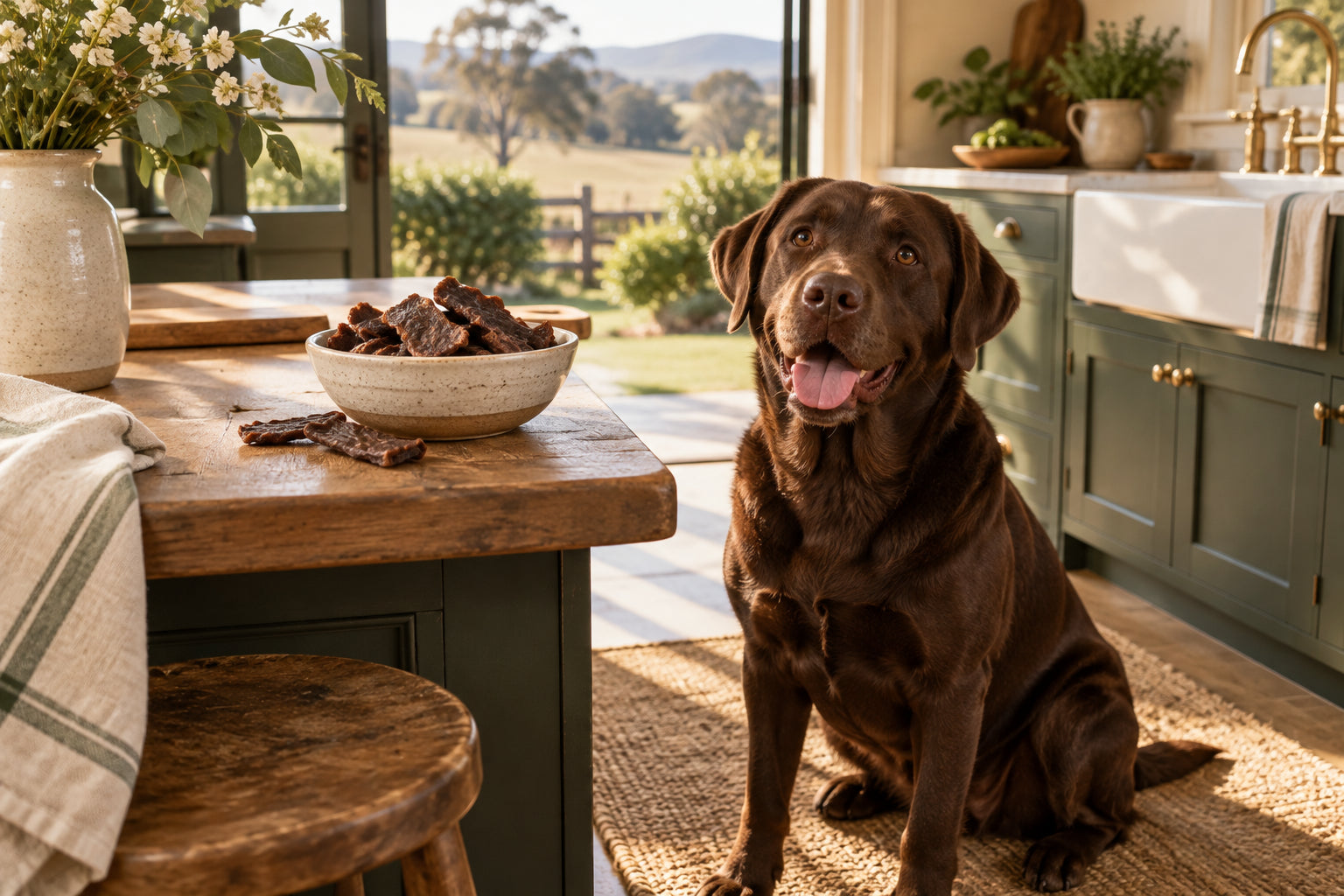
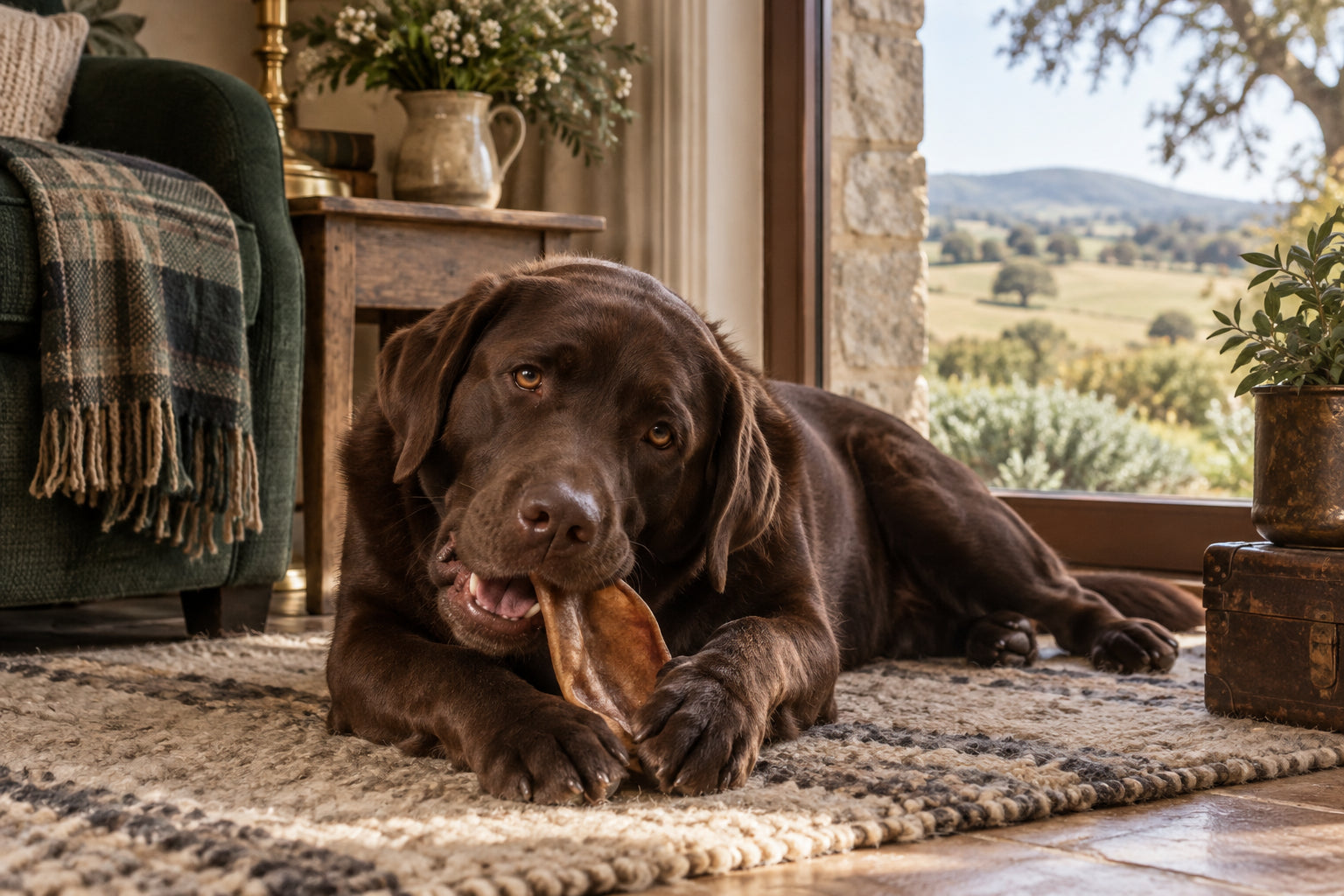
Our air dried treat range covers chicken, beef liver, kangaroo and pig ears, each made with a single Australian ingredient and dried slowly in small batches in Exeter. Bear, our Labrador, checks every batch. Shipping is a flat $9.99 Australia-wide, and our 30-Day Happiness Guarantee covers any treat your dog doesn't love.