Cart
0
Every dog owner knows the sound of a bored dog. It starts with a sigh, moves on to a stare, and ends with the leg of a dining chair. A good chew gives that energy somewhere to go and buys you twenty quiet minutes on a wet Saturday.
The pet aisle sells dozens of chews that promise hours of entertainment, and they aren't all equal. Some last for weeks and crack teeth. Others last thirty seconds. This guide compares the most common long-lasting dog chews, explains the simple test vets use to check hardness, and answers the questions owners ask most about pig ears.
Why dogs need to chew
Chewing is normal dog behaviour. Puppies chew to ease sore gums while their adult teeth come through. Adult dogs chew to burn energy, relieve boredom and settle down after a busy day. A dog who has nothing appropriate to chew will find something, and it's often your shoes.
A long-lasting chew gives your dog a safe outlet. It also keeps your dog busy when you need a break: while you work from home, while visitors arrive, or on a rainy Highlands afternoon when the walk gets cut short.
The fingernail test: how hard is too hard?
Press your thumbnail into the chew. If it leaves a small dent, the chew is soft enough for most dogs. If your nail can't make a mark, the chew is harder than your dog's teeth can safely take.
Vets often see dogs with broken back teeth, especially the large chewing teeth at the back of the upper jaw. Hard chews such as antlers, real bones and hard nylon cause many of these breaks. A broken tooth can be painful and expensive to fix, so the fingernail test takes three seconds well spent.
Long-lasting dog chews compared
| Chew | Rough chew time | Passes the fingernail test? | What to know |
| Pig ears | Several minutes to half an hour | Yes | Natural and tasty. Higher in fat than lean treats, so count it in the day's allowance |
| Bully sticks | Twenty minutes to an hour | Yes | Popular and digestible. Hold the end or take the last piece away so your dog doesn't swallow it |
| Air dried jerky | A few minutes | Yes | A quick chew rather than a long one. Lean options such as kangaroo suit dogs watching their weight |
| Kangaroo tails and ribs | Ten to thirty minutes | Varies | Contain bone. Supervise every time and choose a size that suits your dog's mouth |
| Yak cheese chews | Hours to days | Often no | Very hard. Check with your fingernail before you buy |
| Antlers | Weeks | No | Last a long time, but vets link them to broken teeth |
| Rawhide | Varies | Yes | Softens into large pieces that can cause choking or blockages. Many vets suggest alternatives |
| Cooked bones | Varies | No | Never give. Cooked bones splinter and can damage the gut |
| Stuffed rubber toys | As long as the filling lasts | Yes | Fill with treats and freeze to make them last longer. Reusable |
Are pig ears safe for dogs?
Pig ears are safe for most healthy adult dogs when you choose a quality product, give them in sensible amounts and supervise your dog while they chew. They're a single natural ingredient, they pass the fingernail test, and most dogs think they're the best thing in the pantry.
Pig ears and fat
Pig ears carry more fat than lean treats such as kangaroo or chicken. For an active, healthy dog that's fine in moderation. For dogs who need to lose weight, dogs prone to pancreatitis, or dogs with a sensitive stomach, choose a leaner chew and talk to your vet.
Pig ears and hygiene
In 2019, health authorities in the United States linked an outbreak of Salmonella in people to pig ear dog treats. Treat pig ears the way you treat any raw or minimally processed meat product: wash your hands after handling them, keep them off kitchen benches, and pick a brand that tells you where it sources and dries its products.
Are pig ears safer than rawhide?
For most dogs, yes. A pig ear is a single piece of real food that your dog can digest. Rawhide goes through more processing and can soften into large, slippery pieces that dogs swallow whole. Pig ears still carry a choking risk if your dog gulps the last piece, so stay nearby.
How many pig ears can a dog have?
Treat a whole pig ear as a big chunk of your dog's treat allowance for the day, and skip other rich treats on pig ear days. Many owners give a pig ear a couple of times a week rather than daily. Small dogs can have half an ear and save the rest for later in a sealed container.
Picture a two-year-old Kelpie in Bowral who gets a pig ear on Sunday afternoons after her long walk. She knows the routine. She takes it to her mat by the back door, works on it for fifteen minutes and falls asleep. Her owner picks up the last thumb-sized piece before she can swallow it whole.
What is a good daily chew for dogs?
For daily chewing, choose something lighter than a pig ear. Good options include:
- A stuffed rubber toy with a few pieces of jerky or some of your dog's own kibble inside.
- Lean air dried jerky such as Kangaroo Jerky, which gives a short chew without much fat.
- A carrot for dogs who like to crunch.
Save richer chews such as pig ears and bully sticks for a few times a week, and count them in your dog's treat allowance.
How to make a chew last longer
Many dogs finish a chew faster than the packet promises. A few habits stretch the time out:
- Hold the end. For gulpers, hold one end of the chew so your dog has to work at it.
- Freeze it. Stuff a rubber toy with torn treats and a little water or plain yoghurt, then freeze it overnight. It takes far longer to empty frozen, and it's perfect on a hot day.
- Rotate. Swap between two or three types of chew through the week so each one stays exciting.
- Give chews after exercise. A tired dog settles into a chew. A dog with energy to burn tends to rush it.
- Pick the right size. A chew should be too big to fit in your dog's mouth whole. If in doubt, size up.
Long-lasting chews for puppies
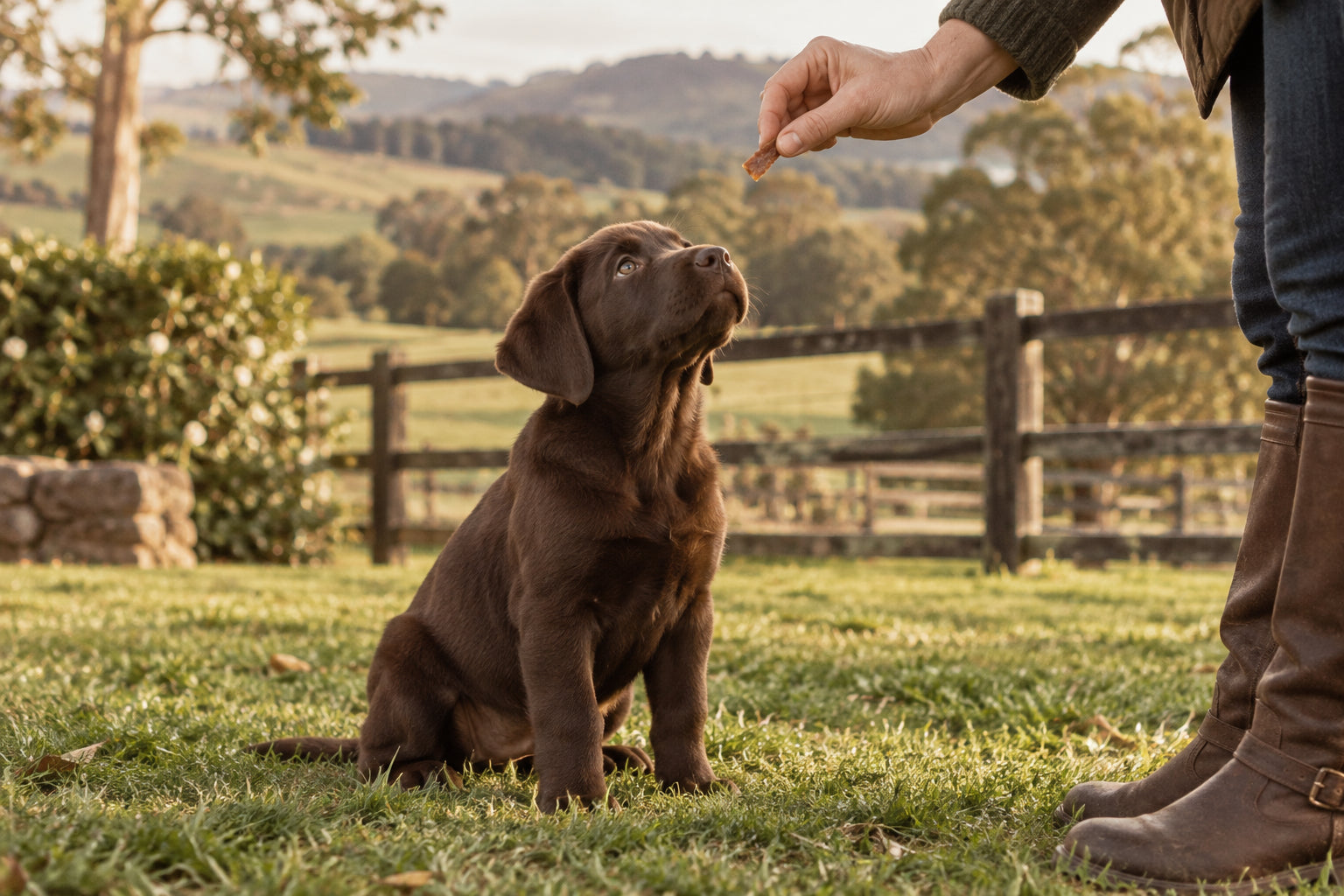
Puppies chew more than adult dogs, especially while their adult teeth come through, between about three and six months of age. Pick softer chews, keep sessions short and supervise every time.
- Choose chews you can dent with your fingernail.
- Avoid antlers, hard nylon and real bones, which can damage growing teeth.
- Try a frozen stuffed toy or a damp face washer knotted and frozen. The cold soothes sore gums.
- Offer a pig ear to older pups under close supervision, and take it away once it gets small.
Our puppy training treats guide covers how many treats a puppy can have in a day.
Signs a chew isn't working for your dog
Take the chew away and rethink your choice if you notice:
- Your dog tries to swallow large pieces whole.
- Your dog guards the chew and growls at people or other dogs.
- Your dog gets loose poo or vomits after chewing.
- You find chipped or broken teeth, or your dog chews on one side of the mouth.
- Your dog loses interest in their dinner on chew days.
If you have more than one dog, give chews in separate spaces. Even good mates can fall out over a pig ear.
Long-lasting dog chew FAQs
What are the best long-lasting dog chews?
The best long-lasting chews are natural, pass the fingernail test and suit your dog's size. Pig ears, bully sticks and frozen stuffed rubber toys work well for most dogs. Avoid very hard chews such as antlers and real bones.
What can a dog chew on for hours?
A frozen stuffed rubber toy lasts the longest for most dogs, and you can refill it. Bully sticks and pig ears give a good session of chewing too. Very hard chews last longer but carry a higher risk of broken teeth.
Are natural dog chews safe?
Most natural chews are safe for healthy dogs when you pick the right size, supervise your dog and give them in moderation. Choose single-ingredient chews from a brand that tells you where it sources the meat.
Can puppies have pig ears?
Older puppies can have pig ears under close supervision. Break them into smaller pieces for small breeds, take away the last piece, and count them as part of the day's treats. Talk to your vet if your puppy has a sensitive stomach.
Do chews clean a dog's teeth?
Chewing can help scrape away some soft build-up on the teeth. Chews don't replace brushing or regular dental checks with your vet, so keep those in your routine.
Shop natural chews
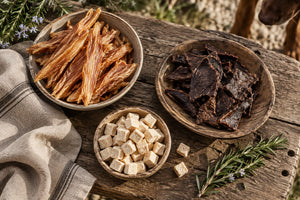
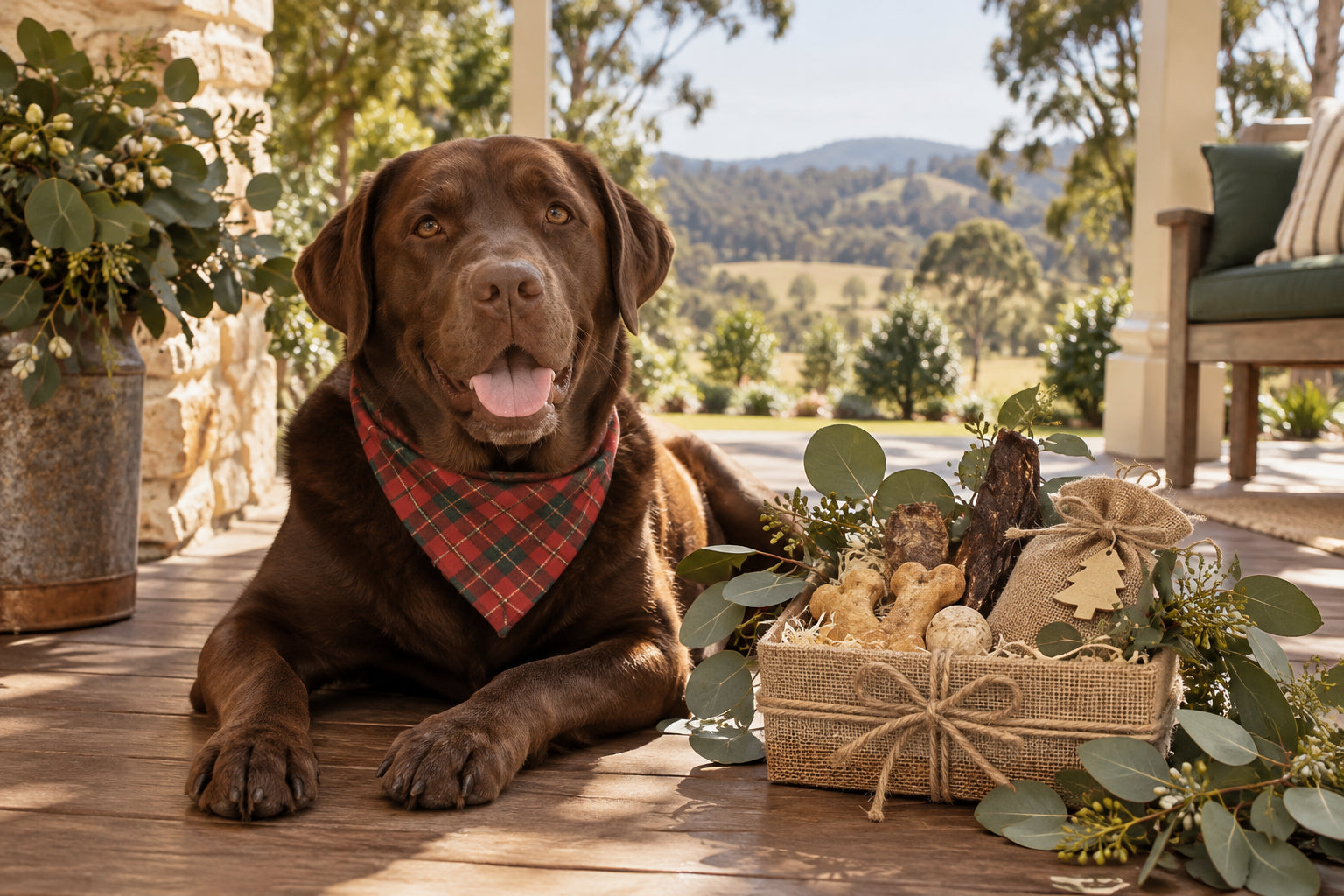
Our Pig Ears are 100 per cent natural, air dried slowly and packed in small batches in Exeter, in the Southern Highlands. They come in a ten-pack, and you'll find them in the Birthday Box and the Roo & Chew Hamper too. For a leaner everyday option, try our Kangaroo Jerky. Shipping is a flat $9.99 Australia-wide, and our 30-Day Happiness Guarantee covers any treat your dog doesn't love.